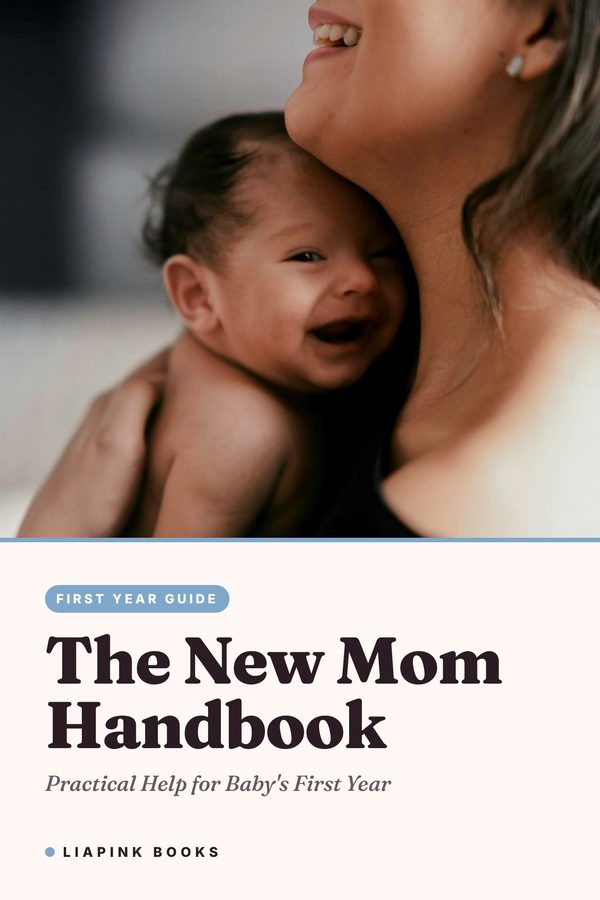
The New Mom Handbook
Practical Help for Baby's First Year
⚡ PDF téléchargeable tout de suite · paiement sécurisé par carte
Ce que tu reçois
- What is normal in the newborn weeks and what is not
- Breastfeeding, bottle and combination feeding basics
- Safe sleep essentials and a night-time survival plan
- A month-by-month development and play map
- Clear warning signs: when to call and when to go urgently
- A four-week plan for starting solid foods safely
- Recovery, mental health and scripts for asking for help
The first year with a baby is full of questions that seem to arrive at 3 a.m. Is this much crying normal? Is she eating enough? When do we start solids? When should I call the doctor? The New Mom Handbook gives you clear, calm, practical answers based on mainstream safe guidance, without judgement and without overwhelming you.
Short chapters cover the newborn weeks, breastfeeding, bottle and combination feeding, safe sleep and night-time survival, soothing a crying baby, month-by-month development with play ideas, health warning signs, starting solid foods and babyproofing.
Just as importantly, it looks after you: physical recovery, baby blues versus postnatal depression, sharing the load with a partner, and word-for-word scripts for asking for help, managing visitors and talking to your doctor.
Written like advice from a kind, well-informed friend, with checklists you can use one-handed. Not a replacement for your paediatrician, but a steady companion between appointments.
Sommaire
- Welcome, New Mom
- The First Weeks: What Is Normal
- Feeding: Breast, Bottle or Both
- Safe Sleep and Surviving the Nights
- Crying, Soothing and Hard Evenings
- Month by Month: Growth, Play and Connection
- Health, Checkups and When to Call
- Starting Solid Foods
- Taking Care of You
- Your First Birthday Together
Lire un extrait
All babies cry. It is their only way to tell you something, and sometimes they cry even when every need has been met. That can be one of the hardest parts of new parenthood, especially in the late afternoon and evening, when many babies seem fussiest. When your baby cries, run through this list calmly, one item at a time: Long periods of crying can make even the calmest person feel angry, desperate or helpless. Those feelings are human. What matters is what you do with them. Never shake a baby. Shaking can cause serious brain injury or death. Make sure everyone who cares for your baby knows this. Contact a doctor promptly if crying is unusual for your baby, such as very high-pitched, weak, or continuous for hours and nothing helps, or if it comes with fever, vomiting, refusing feeds, fewer wet nappies, breathing difficulty, unusual floppiness or drowsiness, or a rash. Trust your instinct: you know your baby. If something feels wrong, get it checked. Some babies cry for long periods without a clear cause, often in the evening, during the early months. This is sometimes called colic. It is exhausting, but in otherwise healthy babies it usually improves with time. Talk to your doctor to rule out other causes and get support; do not change your baby's milk or give remedies without professional advice.
📚 Plus d’ebooks
 The Capsule WardrobeDress Better With Fewer Clothes$2.99 EN
 Declutter in 30 DaysA Calm Home, One Small Task a Day$2.49 EN
 Plan Your WeddingChecklists, Budget and Timeline Without the Stress$2.99 EN
 The 10-Minute MakeupEasy Everyday Looks for Beginners$1.99 EN
 Solo Travel for WomenPlan, Stay Safe and Enjoy the Journey$2.99 EN
 Cozy Home on a BudgetDecorating Ideas That Feel Like You$2.49 EN