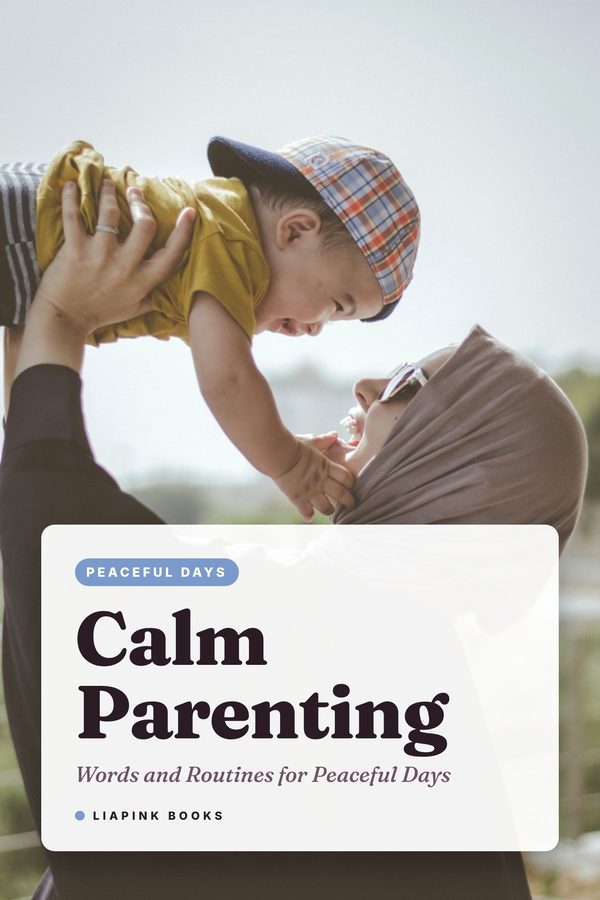
Calm Parenting
Words and Routines for Peaceful Days
⚡ Sofort-Download als PDF · sichere Kartenzahlung
Das bekommst du
- A four-step pause routine for keeping your cool
- Dozens of phrase swaps that invite cooperation
- Word-for-word scripts for tantrums, refusals and sibling fights
- Limits and consequences without shouting or threats
- Routines that prevent morning and bedtime battles
- How to repair after you lose your temper
- A gentle 30-day calm parenting plan
You love your children completely, and some days they still push you to the edge. If you are tired of shouting, bribing and feeling guilty at bedtime, Calm Parenting offers a kinder, steadier way through the hard moments, with the exact words to use.
Inside you will learn a simple pause routine for staying calm when you feel your temper rising, why young children melt down and what actually helps, and dozens of phrase swaps that turn power struggles into cooperation. There are step-by-step scripts for tantrums, refusals, sibling fights and bedtime battles, guidance on setting limits and following through without threats, and routines that prevent many conflicts before they start.
You will also find a chapter on repair, because every parent loses it sometimes, and a 30-day plan that introduces one small practice a day. Written for parents of toddlers to tweens, in every kind of family, with warmth and zero judgement.
Inhalt
- Welcome: Calm Is Learned, Not Born
- Calm Starts With You
- Why Children Melt Down
- Words That Invite Cooperation
- Handling Big Feelings and Meltdowns
- Limits and Follow-Through Without Shouting
- Routines That Prevent Battles
- Siblings: Less Refereeing, More Peace
- Connection and Repair
- Quick Scripts for Tricky Moments
- Your 30-Day Calm Plan and Going Forward
Leseprobe
The words we use make a real difference. Small changes in phrasing can turn a standoff into cooperation. None of these is magic, and none works every time, but together they tilt the odds strongly in your favour. Calling instructions from another room rarely works. Go to your child, say their name, wait for eye contact, then speak. It feels slower but saves time. "Do you want to brush your teeth before or after your story?" "Red cup or blue cup?" Choices give children a sense of control within your limit. Keep it to two options for young children. "When your homework is finished, then you can play." It is a statement of how things work, not a bribe or a threat, and it puts the child in charge of getting to the good part. For familiar requests, a single word is often enough: "Shoes." "Teeth." "Plate." It avoids lecturing and lets the child remember for themselves. Play is the language of young children. "Can you get to the bathroom walking like a penguin?" A little silliness can dissolve a standoff in seconds.
📚 Weitere E-Books
 Self-Care Sundays52 Simple Rituals to Recharge Every Week$2.99 EN
 Mindful MorningsBuild a Morning Routine You Love$1.99 EN
 365 Journal PromptsA Year of Reflection, Gratitude and Growth$1.99 EN
 Boundaries Without GuiltHow to Say No and Protect Your Energy$2.49 EN
 Love With ClarityA Guide to Healthy Relationships and Dating$2.49 EN
 Stress LessA Practical Toolkit for Calm Busy Days$2.49 EN